
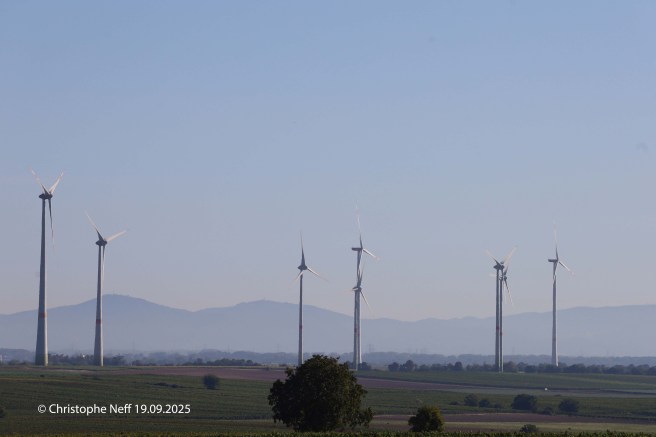
Ich fahre, wie so oft, nach Frankenthal an den Bahnhof, um jemanden aus der Familie abzuholen. Angesichts der „Kettenverspätungen“ der Bahn ist das Umsteigen in die Regionalbahn nach Grünstadt in Frankenthal ein richtiges Glücksspiel – und wenn man Pech hat, wartet man eben „ewig“ auf den nächsten Anschluss. Diesmal hole ich meine Schwägerin und ihren Ehemann ab. Sie leben eigentlich in einem französischsprachigen Land, wo die Züge in der Regel pünktlich sind. Diesmal kommen sie jedoch aus dem Norden, aus der Hansestadt Hamburg, und haben bereits mehr als zwei Stunden Verspätung, als ich ins Auto steige.
Im Radio läuft auf SWR Kultur die Sendung „Der Soldat des Kinos – Ehrenlöwe für Werner Herzog“, ein SWR-Kultur-Forum unter anderem mit Rüdiger Suchsland als Mitdiskutant[1]. Suchsland ist so etwas wie der „Monsieur Cinéma“ des Südwestrundfunks. Früher, in meiner Jugend, war das Herbert Spaich. In meiner Oberstufenzeit weckte mich das Radio – mein damaliger Lieblingssender SWF3 – mit den Filmtipps von Herbert Spaich oder mit Gisela Eberles Gesundheitsansprache „Guten Morgen – positiv sollen Sie den Tag beginnen“. Irgendwann begann ich dann auch aufzustehen und lief dann das „Steighäusle“ vom Sulgen hinab in die Talstadt zur Schule ins Gymnasium Schramberg um dort irgendwann nach Schulbeginn auch anzukommen. Das war noch die Zeit, als der kürzlich verstorbene Frank Laufenberg den „Popshop“ in SWF3 moderierte.
Ich war damals – wie auch später während meines Studiums – ein richtiger Cineast, ein Kinogänger, der ein- bis zweimal pro Woche ins Kino ging. Lange Zeit war „Fitzcarraldo“ einer meiner Lieblingsfilme, vielleicht ist er es sogar immer noch. Für „Fitzcarraldo“ bin ich sogar mit dem Fahrrad von Schramberg nach Paris gefahren[2]. Das ist lange her, und im Kino war ich seitdem Abschluss des Studiums nur noch selten. Zuletzt sah ich „Anselm – Das Rauschen der Zeit“ von Wim Wenders und viele Jahre zuvor „Die andere Heimat – Chronik einer Sehnsucht“ von Edgar Reitz, Film in dem Werner Herzog in einer Gastrolle den Alexander von Humboldt spielt.
In Grünstadt gibt es zwar einen sehr schönen Kinokomplex, „die Filmwelt Grünstadt“, doch meistens wird nichts gezeigt, das meinem Filmgeschmack entspricht. Filme in Originalfassung gibt es so gut wie nie. Im letzten Frühjahr hätte ich mir gerne das Original des brasilianischen oscarprämierten Films „Ainda Estou Aqui (Für immer hier)“ angeschaut. Er wurde tatsächlich in einem Mainzer Kino gezeigt, doch die Komplikationen, die mit der „maladie de Mitterrand“ verbunden waren, verhinderten diese Kinofahrt nach Mainz. Kinofilme sehe ich mir meistens später im Fernsehen an – in den meisten Fällen auf Arte oder, wie zuletzt im ZDF, „An einem Tag im September“. Dieser Spielfilm berührt in gewisser Hinsicht meine eigene deutsch-französische Familiengeschichte[3].
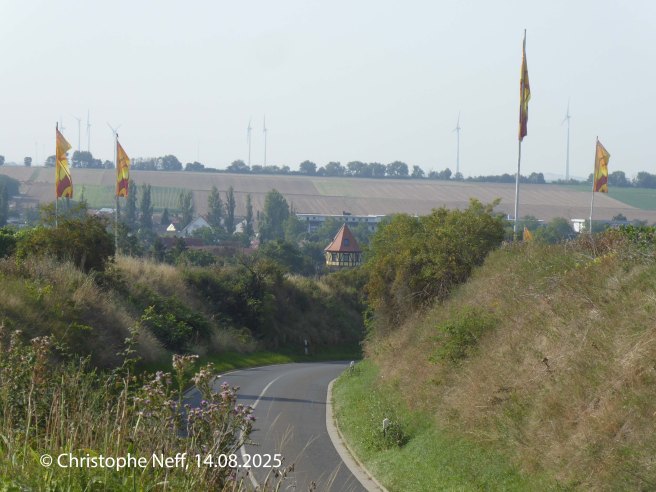
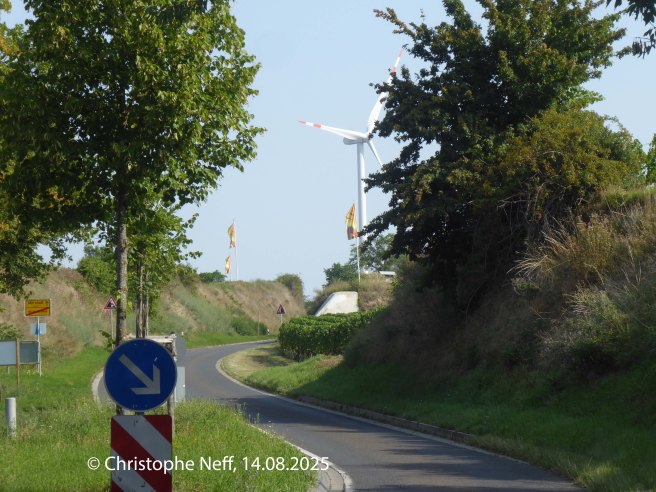
Mein Fahrtweg ist gesäumt von Windkraftanlagen. Wegen der Komplikationen mit der „maladie de Mitterrand“ beschränkt sich mein aktueller räumlicher Radius auf Fahrten ans Klinikum Worms oder auf „familiäre Taxifahrten“ von oder zum Frankenthaler Hauptbahnhof. Die Landschaft, die ich durchquere, gehört laut der „Naturräumlichen Gliederung Deutschlands“ zur „Frankenthaler Terrasse“. Wie beim „Unterem Pfrimmhügelland“ gibt es auch hier keinen Wikipedia-Artikel über diesen Naturraum[4]. Die Funktionsweise eines Naturraums hat in Deutschland kaum noch gesellschaftliche Relevanz. Sonderbarerweise berufen sich die Proteste gegen den geplanten Windpark bei Dirmstein genau auf den Schutz des Naturraums zwischen Obersülzen und Dirmstein[5].
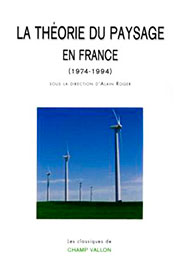
Das Windrad ist zum Symbol des Landschaftswandels, aber auch zum Symbol für „Nutzungskonflikte“ in der Landschaft Mitteleuropas geworden. Nicht umsonst ziert das Buchcover der Zweitauflage von „La théorie du paysage en France“von Alain Roger das Foto eines Windrads. Als ich mich vor Jahrzehnten auf der „Frankenthaler Terrasse“ in Richtung Grünstadt bewegte, konnte man nachts die hellerleuchtete amerikanische Raketenstellung auf dem Quirnheimer Berg sehen[6]. Die Raketenstellung ist verschwunden – nun leuchten dort nachts die Positionsleuchten der Windräder.
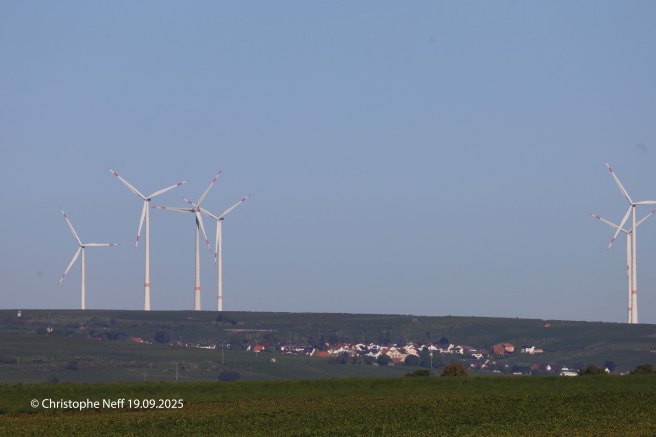
Meine Schwägerin bemerkt während der Autofahrt nach Frankenthal, dass sie das Gefühl habe, es gebe bei jeder Reise nach Grünstadt mehr Windräder. Sie wüchsen förmlich wie Pilze aus der Landschaft. Ich pflichte ihr bei und sage: „Ja, das Gefühl ist bestimmt nicht ganz falsch.“ Gleichzeitig weise ich darauf hin, dass man Energie nicht zum umweltpolitischen Nulltarif bekommt – und Energie verbrauchen wir alle. Doch meine Schwägerin hat nicht unrecht: Die Windräder sind längst zu einem markanten Landschaftelement geworden. Zwischen Grünstadt und Frankenthal sieht man sie überall – in der Nähe und in der Ferne. Man kann ihnen visuell kaum noch ausweichen.
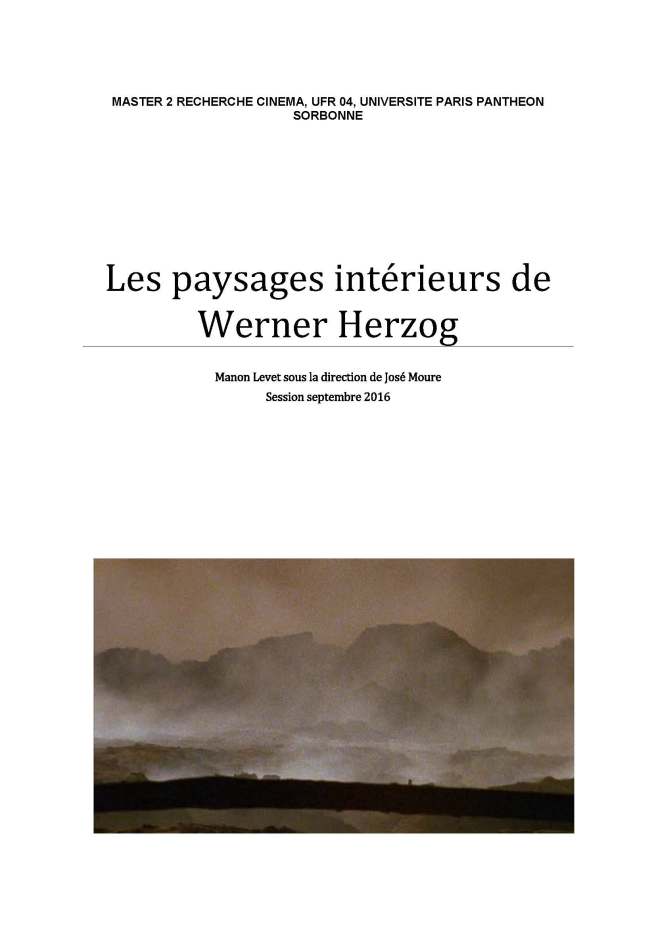
Ich denke an Werner Herzog und versuche mir vorzustellen, wie ein Film von ihm über Windkraft und Windkraftlandschaften aussehen würde. Weltweite Windenergielandschaften aus Herzogs filmischer Erzählperspektive. Tatsächlich gibt es eine wissenschaftliche Arbeit über die Landschaften im Werk Werner Herzogs: „Les paysages intérieurs de Werner Herzog“, eine französische Abschlussarbeit von Manon Levet im Fach Kunstgeschichte, die man im „Halopenarchive“ finden und herunterladen kann. Dass diese Arbeit in Frankreich verfasst wurde, wundert mich nicht. Ich habe den Eindruck, dass Herzogs künstlerisches Werk dort erheblich mehr gewürdigt wird als in Deutschland.
In diesem Sommer gab es im „Le Monde“ eine lesenswerte Sommerserie über das Leben von Isabelle Adjani[7] – und darin war eine Episode dem Film „Nosferatu – Phantom der Nacht“ und den Dreharbeiten mit Werner Herzog und Klaus Kinski gewidmet. Auch in diesem Blog verfasste ich bereits einen Beitrag über einen Herzog-Film auf Französisch: „Souvenirs d’une soirée de samedi passé devant le petit écran : Au cœur des volcans, requiem pour Katia et Maurice Krafft, documentaire de Werner Herzog“. In Frankreich genießt Herzog doch ein anderes Renommee als in Deutschland. Ich glaube hierzulande ist er nur noch ein „Geheimtipp“ für eingefleischte Cineasten und Boomer. In der Generation meiner Kinder, oder auch bei meinen Studierenden, kennt ihn wohl kaum noch jemand.
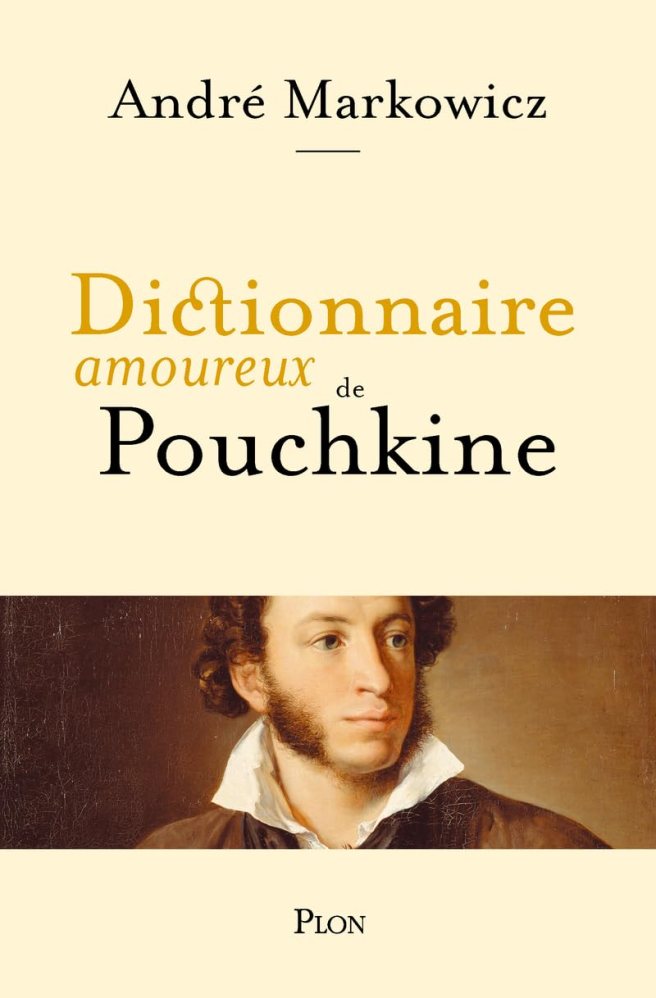
Werner Herzog hat auch eine bemerkenswerte Autobiographie verfasst: „Jeder für sich und Gott gegen alle. Erinnerungen“. Als ich mit meiner Schwägerin und meinem Schwager an den Windrädern entlang durch die „Frankenthaler Terrasse“ nach Grünstadt fuhr, hatte ich gerade mit der Lektüre dieses Buches begonnen. Inzwischen weiß ich: Wer mehr über die „paysages intérieures“, also die inneren Landschaften Werner Herzogs, erfahren möchte – und darüber hinaus ein vollständiges Werkverzeichnis (Filmographie, Operninszenierungen) sucht –, der sollte dieses Buch lesen. Ich erlaube mir daraus die letzten Sätze zu zitieren „An ihrem Fuß ist sie achtundzwanzig Meter dick und aus besonders gehärtetem Stahlbeton gegossen. Dieser untere Teil stünde noch mit an Sicherheit grenzende Wahrscheinlichkeit, majestätisch, ohne etwas verkünden zu können, keine Botschaft an niemanden. Dort am Fuß der glatten Betonwand, gäbe es kristallklares Sickerwasser aus den Felsen zur Seite, aufgesucht von Rudeln von Hirschen, als wäre (Herzog, Werner: 2022, p. 329)“
Quellen und Bibliographie:
- Herzog, Werner (2022): „Jeder für sich und Gott gegen alle. Erinnerungen“. München, 5. Auflage 2022, © Carl Hanser Verlag GmbH & Co. KG, ISBN 978-3-446-27561-4.
- Levet, Manon (2016): „Les paysages intérieurs de Werner Herzog“. Art et histoire de l’art. HAL Id: dumas-01438354
- Roger, Alain (Hrsg.) (2009): „La théorie du paysage en France : 1974–1994“ (Réédition). Seyssel: Champ Vallon, ISBN 978-2-87673-508-8.
Nachwort zur Texterstellung
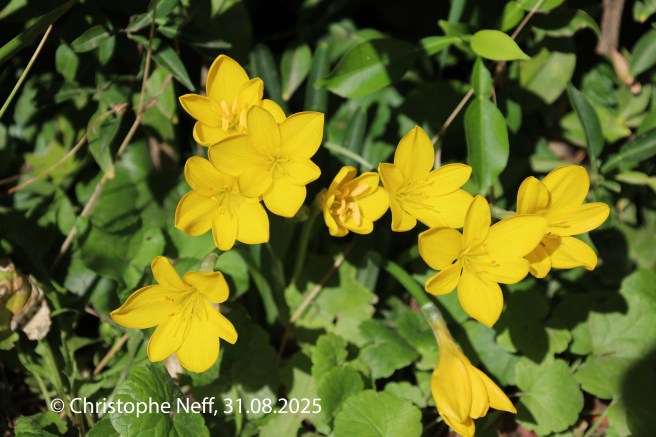
Den vorliegenden Text entwarf ich am 28.08.2025 bei der familiären Taxifahrt Grünstadt- Frankenthal HBF- Grünstadt im Auto und speicherte es als Gedächtnisprotokoll ab. Die Niederschrift fand dann im Laufe des Septembers statt. Photos von den Windrädern des Windpark „Dirmstein-Groß-Kleinniedesheim-Heuchelheim“ sind auch in den Beiträgen „Wintersonnenwende 2024“ und „Blognotice 11.01.2022 : les liens perdus du blog paysages“ zu finden. Man kann die Windräder dieses „Windparkes“ von erhöhten Standorten in Grünstadt sehr gut sehen. Tatsächlich bin ich die „Wegstrecke“ Grünstadt – Frankenthal HBF – Grünstadt so oft gefahren, dass ich fast jeden Baum und Busch am Wegerand dort kenne. Die gartenflüchtige Pallisadenwolfsmilch (Euphorbia characias)[8] am Straßenrand in Dirmstein, der Mandelbaum in Obersülzen auf dem die Halsbandsittiche sich verpflegen und rasten[9], den Paradiesvogelbaum in Dirmstein der im Spätsommer & Herbst blüht[10].
Photo: © Christophe Neff 19.09.2025
Christophe Neff, Grünstadt August/September 2025
[1] Siehe : „ Der Soldat des Kinos – Ehrenlöwe für Werner Herzog, Karsten Umlauf diskutiert mit Dr. Kristina Jaspers, Kuratorin, Deutsche Kinemathek Berlin, Rüdiger Suchsland, Filmkritiker Prof. Dr. Marcus Stiglegger, Filmwissenschaftler. Forum, Sendung vom 28.08.2025
[2] Siehe u.a. « De Schramberg à Paris en vélo – souvenirs de ma première rencontre avec « Notre – Dame de Paris » sowie « Mit Thomas E. Schmidt die Bundesrepublik der Babyboomer bereisen »
[3] Siehe u.a. „Ein persönlicher Rückblick auf sechzig Jahre Élysée-Vertrag“und « Blognotice 22.01.2013: pensées personnelles franco-allemandes sur le cinquantième anniversaire du Traité de l’Elysée »
[4] Siehe u.a. „Das Pfrimmhügelland: Von Weinbergen, Windrädern und Bauernkriegen: Eine Landschaft im Wandel – eine persönliche Blognotiz“
[5] Zum geplanten Windpark Dirmstein siehe u.a. „Windpark Dirmstein – Ein Projekt von BayWa r.e.“ (Webpräsenz des Projektbetreibers)
[6] « Launching Area Quirnheim » dazu u.a. mehr in „Quirnheim – ehem. Atomwaffenstandort, Deutschland“ in Webpräsenz Atomwaffen A – Z.
[7] Le Monde « Séries d’été, Isabelle Adjani, célèbre inconnue – Malgré ses quarante-cinq films, ses quinze pièces de théâtre et ses cinq Césars, la star du cinéma français reste une énigme. » Samuel Blumenfeld, August 2025.
[8] Siehe Inaturalist Beobachtung 276494790


 paysages